20 Secret Landscaping Along Fence Ideas for Real Homes
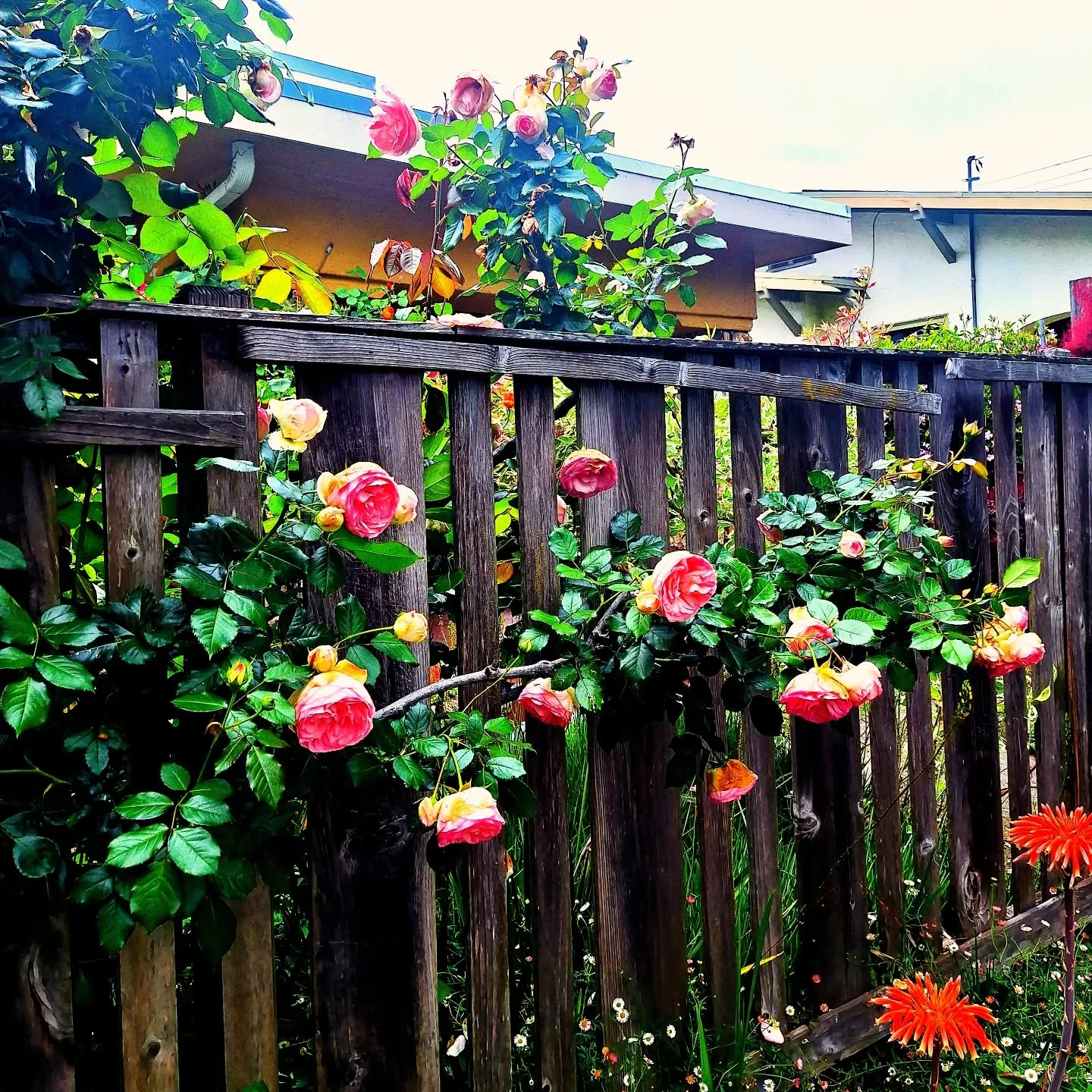
Plain fences make landscaping along fence ideas feel hard, because the long straight line leaves nowhere to hide and every gap shows. The trick is to treat the fence as a backdrop, not a problem, and layer plants, pots and light in front of it until the wood or metal almost disappears. I have planted along three different fences in my own yard, learning which vines climb fast, which shrubs stay tidy and which flowers survive the shade at the base. This guide gives you twenty practical ways to soften that edge, from climbing roses to gravel beds, each one doable in a weekend with basic tools. Pick the idea that fits your fence, your sun and your time, then start at one end and work along.
Climbing Rose Trellis
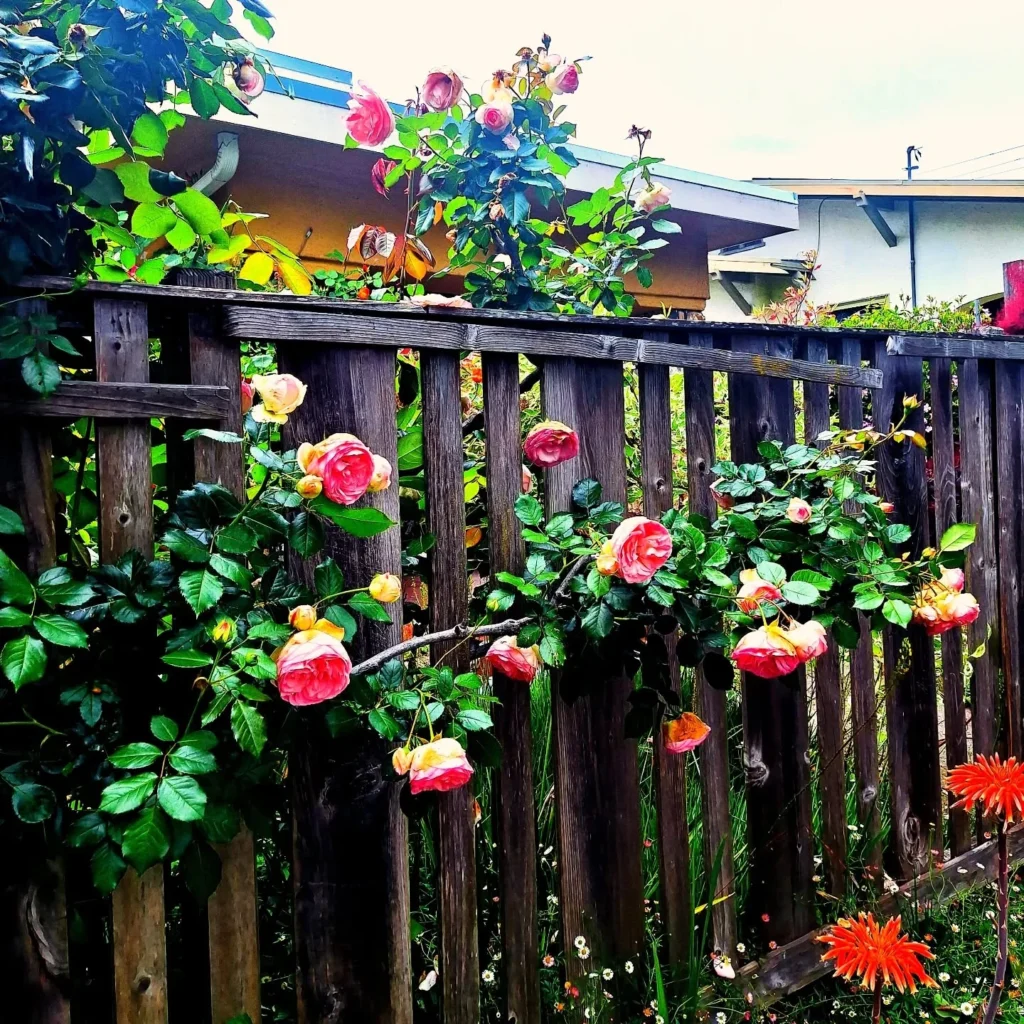
A bare fence feels cold and hard. Fix a trellis to it and train climbing roses up the slats, and the whole boundary turns soft and fragrant. Space the trellis panels about two feet apart so the canes have room to spread. My fence holds six rose plants that reach eight feet tall by July. Smell them. The whole corner smells sweet.
Tie new canes loosely with soft twine every spring. Prune dead wood in late winter before buds open. Roses take one season to cover a fence, then reward you for years.
Tall Grass Screen
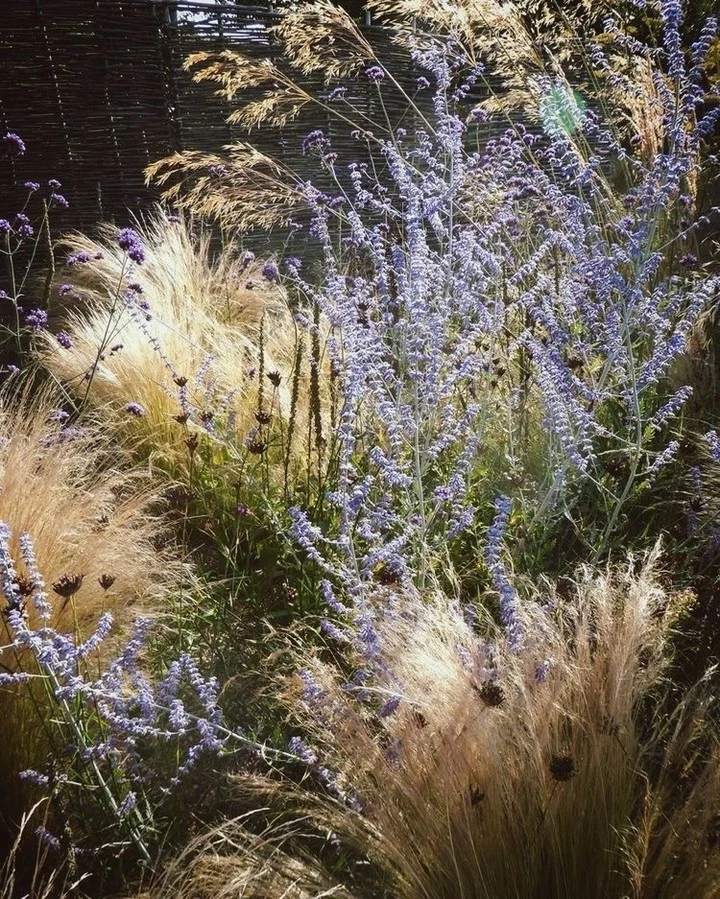
A fence alone gives little privacy from tall neighbors. Plant a row of tall grasses in front of it and the screen grows soft and tall. Space the clumps three feet apart so each one spreads to full width. My row uses eight clumps that reach five feet tall by August. Watch them move. The fence fades behind the sway.
Cut the grasses down to six inches in early spring. Water them weekly in the first summer only. Tall grasses hide a fence faster than any shrub. Try it today.
Flowering Vine Wall
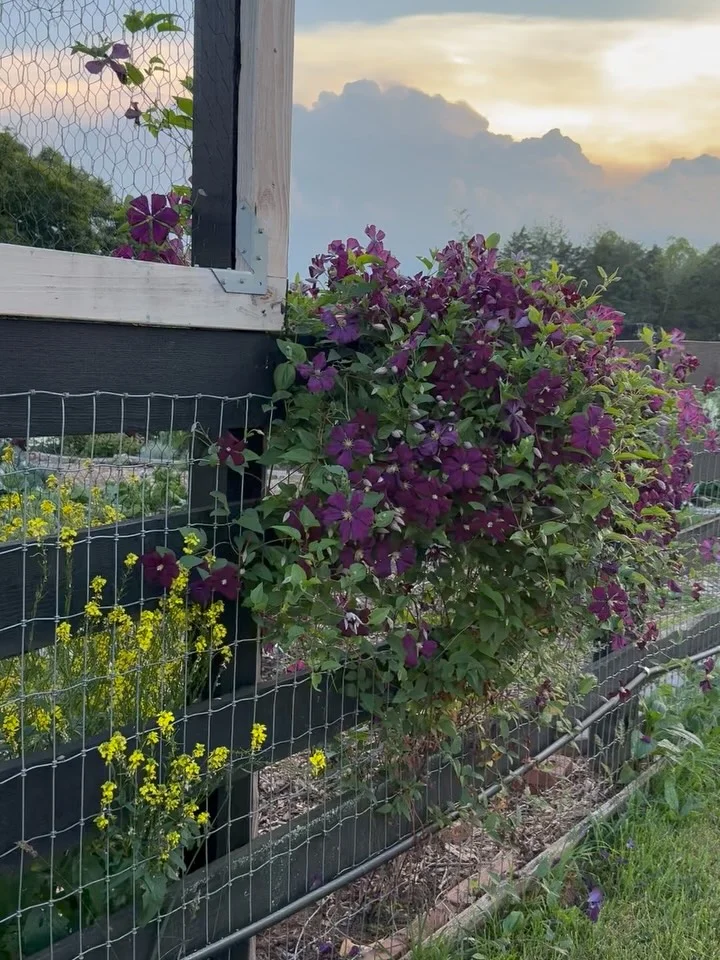
Painted fences peel and plain wood looks dull. Cover the lower half with flowering vines and the fence becomes a living wall. Plant one vine every four feet and guide the stems onto the fence with small hooks. My wall uses five clematis plants that bloom from June to September. Look up. The flowers climb higher each week.
Water the roots deeply twice a week in the first year. Mulch the base two inches deep to keep soil cool. Vines cover a fence cheaply and change with the seasons. Try it now.
Tiered Shrub Border

One flat row of shrubs looks like a wall. Plant in three tiers instead, tall at the back, medium in the middle and low flowers at the front, and the fence line gains depth. Leave eighteen inches between plants so each one has room to grow. My border holds twelve plants in a strip ten feet long. Stand back. The layers make the fence look shorter.
Feed the shrubs once in spring with a balanced fertilizer. Trim the middle row lightly after flowering. Tiered planting turns a straight fence into a garden.
Herb Strip Planting

The strip beside a fence often stays bare and weedy. Turn it into a herb garden and the wasted edge feeds your kitchen all summer. Plant rosemary at the back where it grows tall, and thyme at the front where it stays low. My strip holds ten herbs in a bed two feet wide. Snip often. The plants grow bushier with every cut.
Water the strip each morning before the sun gets hot. Harvest the top leaves weekly to keep stems full. A herb strip makes a dull fence edge useful every day.
Colorful Annual Row

A fence base in shade of brown looks tired by midsummer. Plant a row of bright annuals along it and the color lifts the whole yard. Space the plants about ten inches apart so they fill in fast. My row uses twenty four plants that bloom from May to October. Change the colors. The fence looks new every year.
Water the row every two days in hot weather. Deadhead spent blooms each Sunday to keep flowers coming. Annuals cost little and give instant color along any fence. Start this weekend.
Evergreen Hedge Line

A fence that blocks the view still looks stark. Plant a dense evergreen hedge in front of it and the boundary turns soft and green all year. Space the shrubs about three feet apart so they knit into one hedge. My line uses seven shrubs that reach six feet tall in three years. Touch the leaves. They stay green through snow.
Shear the hedge twice a year to keep the top level. Water deeply in the first summer so roots grow strong. An evergreen hedge hides a fence in every season.
Stone Edging Bed
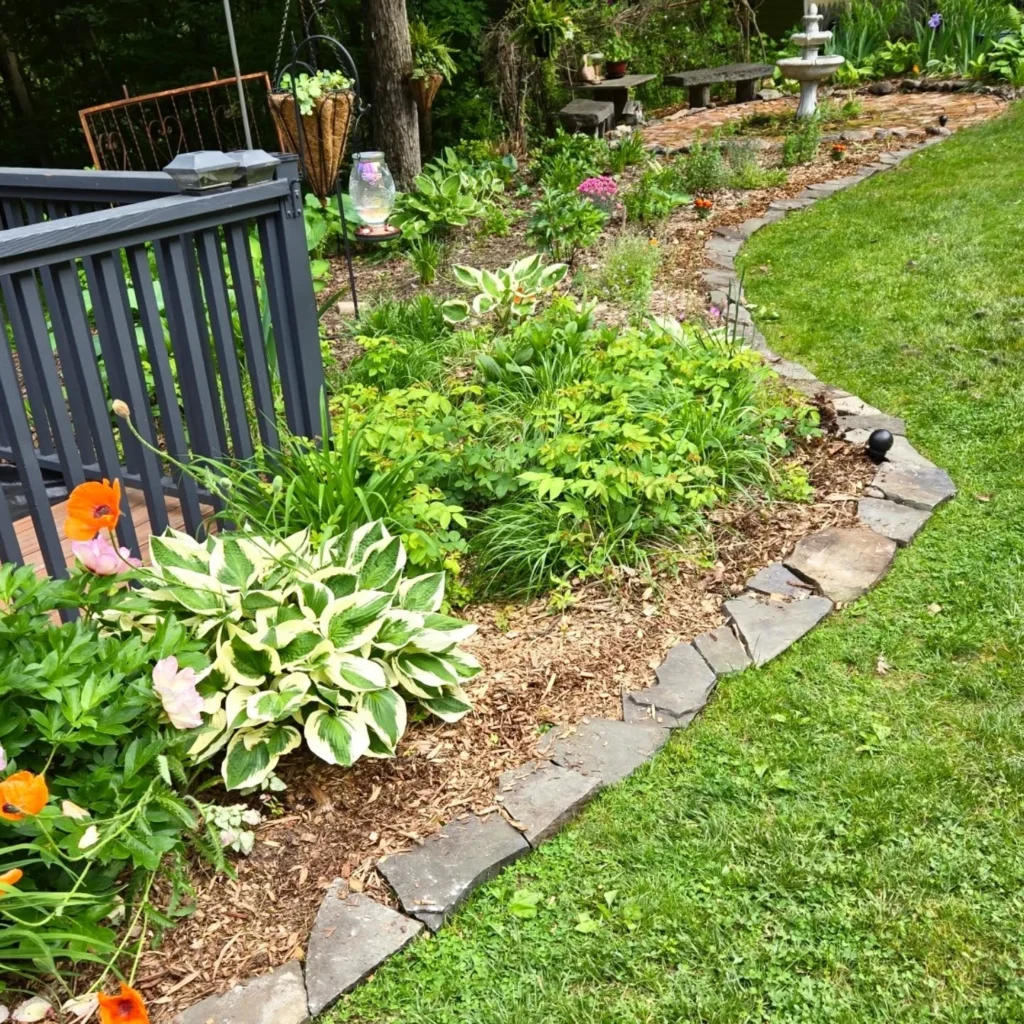
Grass creeping to the fence looks messy within weeks. Edge a narrow bed with flat stones and the line stays crisp all season. Dig a shallow trench and set each stone half buried for a neat look. My bed runs fifteen feet long and uses thirty stones. Rake the mulch smooth. The edge looks finished.
Fill the bed with two inches of mulch to stop weeds. Water new plants deeply for the first month. Stone edging gives a fence bed a clean frame. Start at one end and work along.
Shade Fern Border

The north side of a fence stays shady and damp. Fill it with ferns and the dark strip turns lush and green. Space the ferns about eighteen inches apart so fronds can arch wide. My border uses nine ferns that thrive with almost no sun. Feel the cool air. The shady strip becomes a calm retreat.
Water the ferns twice a week in dry spells. Cut back brown fronds in early spring. Ferns love the shade where most flowers fail. One afternoon of work brings color that lasts all summer.
Fruiting Berry Canes

A fence can feed your family as well as mark a boundary. Train raspberry canes along wires fixed to the fence and pick fruit all summer. Fix two wires, one at three feet and one at five feet, and tie the canes loosely. My fence holds eight canes that gave four baskets of berries last July. Taste one. The berries are warm from the sun.
Cut the old canes down in late winter. Mulch the base with straw to keep the soil moist. Berry canes turn a plain fence into a harvest.
Ornamental Tree Row

A long fence looks endless without a break. Plant small ornamental trees along it and the line gains rhythm and height. Space the trees about eight feet apart so their crowns never crowd. My row uses three trees that bloom pink every April. Look up. The blossoms soften the whole fence.
Stake young trees for the first year until roots hold firm, and prune crossing branches in late winter. Small trees break a long fence into pleasing sections, adding height without hiding the garden behind them. That rhythm suits a plain fence.
Mulched Pathway Strip

The strip beside a fence is too narrow for lawn. Turn it into a mulched path with stepping stones and the wasted space becomes a walk. Lay landscape fabric first, then spread mulch three inches deep. My path runs twenty feet long and uses six bags of mulch. Walk it slowly. The strip feels like a secret garden.
Top up the mulch once a year in spring. Pull the few weeds that appear before they seed. A mulched path makes a narrow fence strip useful and tidy. Try it today.
Pollinator Flower Mix

A fence bed without insects feels quiet and still. Sow a mix of native flowers along it and bees and butterflies will arrive within days. Scatter the seed over a bed about two feet wide and six feet long. My mix holds twelve species that bloom from May to September. Watch the bees. The fence edge hums with life.
Never spray the bed with insecticide or the visitors vanish. Leave the stems standing through winter for shelter. A pollinator mix helps nature and fills the edge with color. Start today.
Potted Plant Lineup

Digging a bed along a fence is hard work. Line up pots instead and the fence gains color with no digging at all. Mix tall pots at the back and low pots at the front for depth. My lineup uses eleven pots that I move with the seasons. Rearrange them. The fence looks different every month.
Water the pots every two days in summer heat. Feed them once a month with liquid fertilizer. Pots let renters and busy gardeners dress a fence fast. Keep it simple and enjoy the result.
Decorative Gravel Bed

A damp fence base rots wood and breeds weeds. Replace the soil with a gravel bed and the base stays dry and neat. Lay fabric underneath, then spread gravel two inches deep. My bed runs twelve feet long and uses four bags of pebbles. Rake it smooth. The fence looks clean and dry.
Hose the gravel clean each spring to wash off dirt. Pull the rare weed that slips through. A gravel bed protects the fence and needs almost no care. Start small, start today. Your yard will thank you.
Bamboo Privacy Screen

A short fence leaves the yard open to neighbors. Plant clumping bamboo behind it and the screen rises three feet above the fence. Choose clumping types only, so the roots stay in place. My screen uses five clumps that reached nine feet tall in two years. Listen. The leaves rustle like rain.
Water the bamboo weekly in the first summer, and cut out dead canes each spring so new shoots have room. Bamboo adds privacy fast and sounds lovely in wind, and it costs less than a new fence panel. That is good value.
Cascading Ground Cover

Bare soil at a fence base looks dry and dusty. Plant cascading ground cover and the soil turns into a soft flowering carpet. Space the plugs about twelve inches apart so they knit together in one season. My bed uses thirty plugs that covered the strip by July. Touch the leaves. The carpet feels soft and cool.
Water the plugs daily for the first 2 weeks, then pull weeds early before the cover closes in. Ground cover stops erosion and softens the fence base, and it needs almost no mowing once it fills in. Give it one season.
Seasonal Bulb Border

A fence bed looks bare in early spring. Plant bulbs in fall and the first color arrives before anything else wakes. Plant the bulbs six inches deep in groups of five for a natural look. My border uses sixty bulbs that bloom from March to May. Wait for spring. The fence wakes up first in the street.
Mark the spots with small stakes so you never dig them up. Leave the leaves standing until they turn yellow. Bulbs give big spring color for little work. Start today and enjoy it.
Rustic Wood Planter

A tall fence has no color at eye level. Fix a long wooden planter to it and the flowers sit right where you see them. Line the box with plastic and drill three holes for drainage. My box is six feet long and holds twelve plants. Water it weekly. Blooms hang at eye level all summer.
Feed the plants once a month with liquid fertilizer. Replace the soil each spring for fresh growth. A fence planter adds color without using any ground space. It looks good from the street too.
Night Glow Lighting
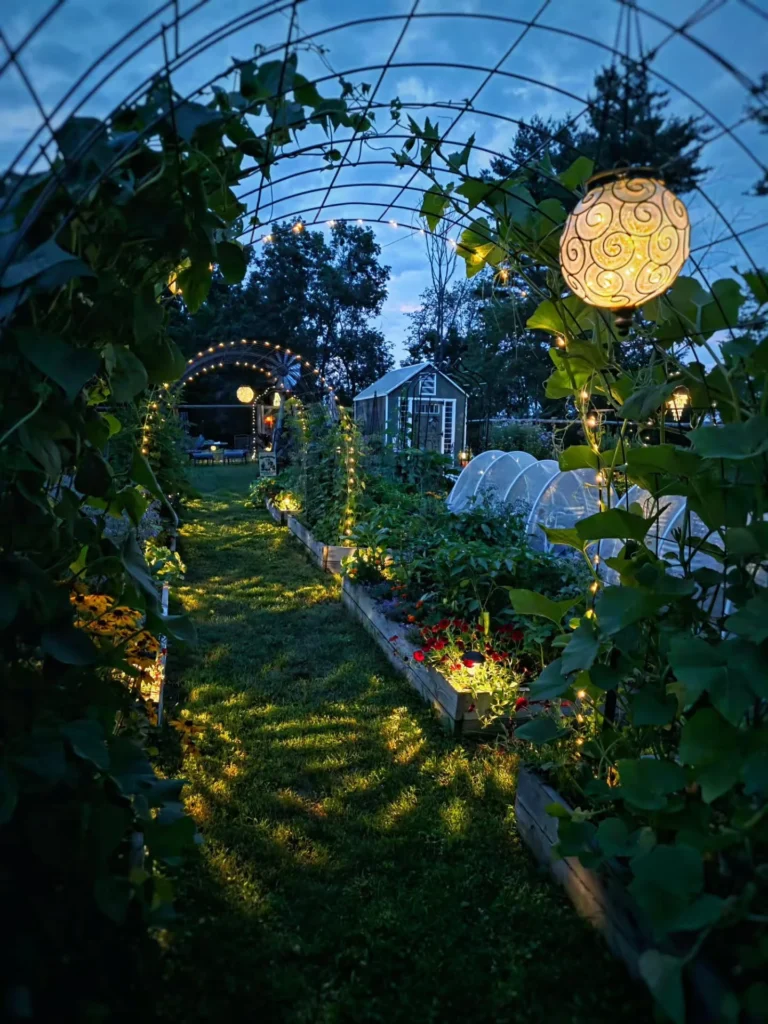
A fence disappears after dark and the yard feels small. Hang warm string lights along the top rail and the boundary glows like a garden wall. Hook the strand every three feet so it never sags. My fence uses forty feet of lights that turn on at dusk. Step outside. The yard feels twice as big.
Pick outdoor rated lights with a warm tone. Clip the cord along the rail so no wire hangs loose. Lights turn a plain fence into an evening feature. It works in almost any yard.
Conclusion
Good landscaping along fence ideas treat the fence as a backdrop, not a problem, and layer plants, pots and light until the boundary feels like part of the garden. Start at one end with the single change that bothers you most, whether that is a bare base, a stark face or a dark corner, and finish it before moving on. Small layers add up fast, and a fence dressed in green looks cared for from every angle. Keep the plants watered in year one, trim them lightly each season and enjoy the edge you built.
More Ideas You Will Love
 21 Manicured Front Yard Landscaping Ideas to Try Now
 24 Heavenly Outdoor Patio Ideas That Look Expensive
 25 Secluded Apartment Patio Privacy Ideas Anyone Can Do
 20 Bountiful Raised Garden Bed Ideas That Really Work
 20 Neat Side of House Landscaping Ideas Worth Copying
 23 Eye-Opening Driveway Landscape Ideas Anyone Can Do
 22 Blooming Flower Bed Ideas in Front of House to Pin
 24 Lush Backyard Landscaping Ideas That Feel Fresh
 24 Towering Tall Outdoor Planter Ideas That Look Pricey